
AI in Business Analytics for Smarter Growth Decisions Today
Discover how AI in business analytics helps companies improve decisions, predict trends, increase efficiency, and drive smarter business growth.
AI in business analytics is changing the way companies understand data and make decisions. Businesses no longer want slow reporting systems or outdated spreadsheets. They want faster insights, accurate forecasting, and smarter strategies that help them stay ahead in competitive markets.
Today, companies across industries are using AI-powered analytics to improve customer experience, increase efficiency, and identify new growth opportunities. From startups to large enterprises, businesses now depend on intelligent data analysis to make informed decisions with confidence.
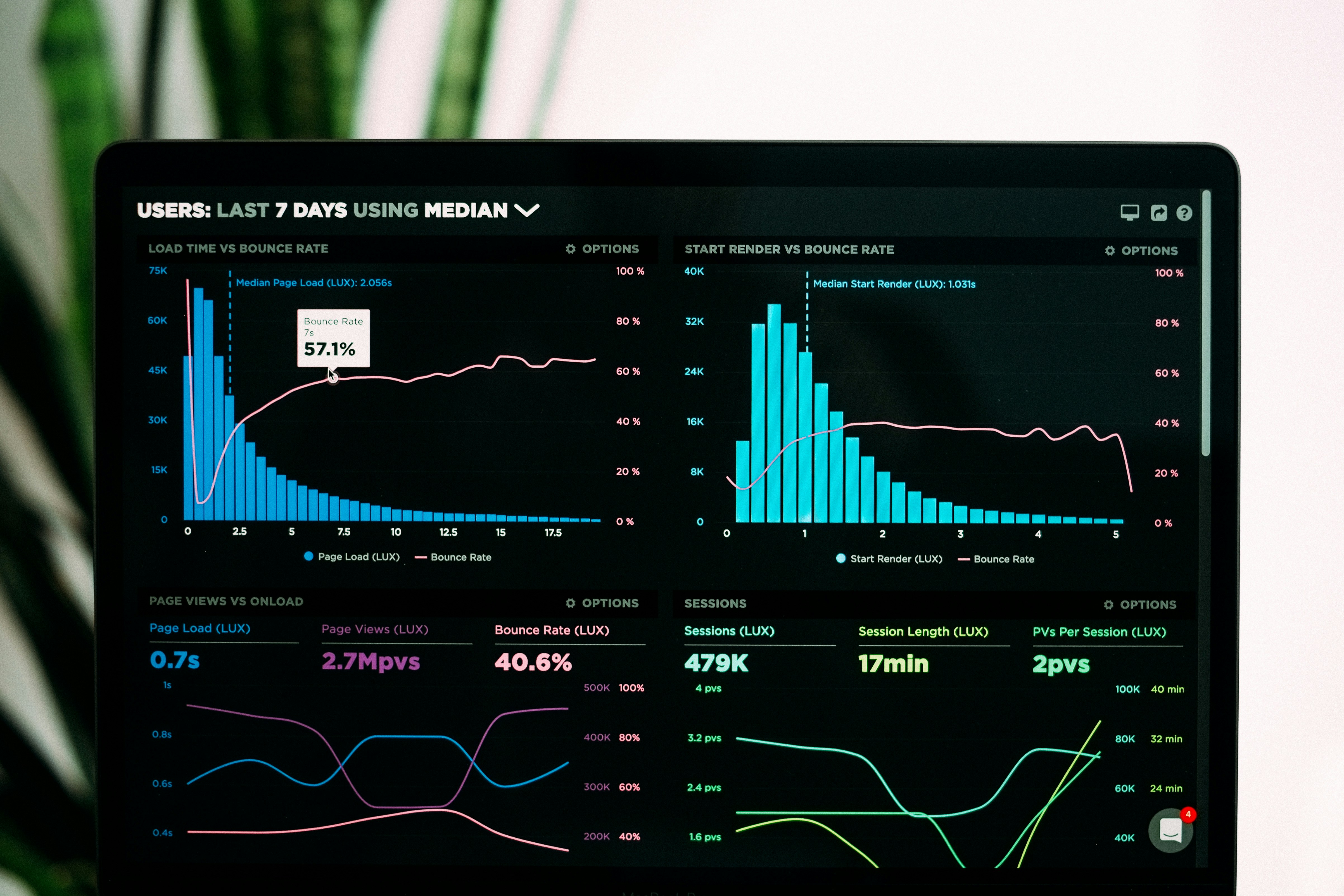
Why Businesses Are Investing in AI Analytics
Businesses generate huge amounts of data every single day. Customer interactions, sales reports, website traffic, and operational records all contain valuable insights. However, most companies struggle to analyse this data efficiently.
This is where AI becomes extremely valuable. AI systems process large volumes of information quickly and identify patterns that humans may miss. As a result, businesses improve decision-making and reduce operational delays.
- Faster decision-making
- Improved customer insights
- Better demand forecasting
- Reduced operational costs
- Improved business efficiency
- Real-time performance tracking
📈 Companies using AI analytics often gain better market visibility and stronger business performance through data-driven strategies.
How AI Analytics Improves Business Decisions
Earlier, businesses relied heavily on manual reports and assumptions. That approach often created delays and reduced accuracy. AI analytics changes the process completely by offering real-time business intelligence.
For example, retail companies can analyse customer buying behaviour and predict future demand. Similarly, marketing teams can identify which campaigns generate the highest conversions.
Predictive Analytics
Forecast future outcomes using historical data, identify trends, reduce risks, and improve planning accuracy.
Machine Learning
Systems continuously learn from data patterns, improving prediction accuracy and automating complex analysis.
Customer Behaviour Analysis
AI tools analyse interactions across websites, emails, and social media to understand preferences and boost engagement.
Real-time Intelligence
Get live insights to adapt campaigns, inventory, and service delivery instantly.
Real-World Applications of AI in Business Analytics
AI analytics is already transforming multiple industries around the world. Companies are using intelligent insights to improve operations and increase profitability.
🏥 Healthcare Industry
Hospitals use AI analytics to predict patient admissions and manage resources efficiently. Doctors also use AI-powered systems to improve diagnosis accuracy.
🛍️ Retail & E‑Commerce
Online retailers analyse browsing behaviour and purchase history to offer personalised recommendations, increasing sales conversions.
🏦 Banking & Finance
Banks use AI to detect suspicious transactions, reduce fraud risks, and improve loan approval processes through predictive analytics.
📦 Supply Chain
AI analytics optimises inventory levels, predicts delivery delays and reduces logistics costs across global networks.
Key Benefits of AI in Business Analytics
- Higher data accuracy
- Faster reporting and insights
- Improved customer experience
- Better resource management
- Increased revenue opportunities
- Smarter strategic planning
Challenges Businesses Should Understand
📉 Data Quality Issues
AI systems depend heavily on accurate and organised data. Poor-quality information can produce misleading insights.
🧠 Skill Gaps
Many businesses still lack professionals with advanced AI analytics knowledge. Companies invest in training or partner with experts.
💰 Initial Investment
Some AI tools require significant investment, but cloud-based platforms are making AI analytics more affordable for all sizes.
⚙️ Integration Complexity
Legacy systems can create friction, yet modern APIs and middleware simplify adoption.
Future Trends in AI Analytics
AI in business analytics continues to evolve rapidly. Businesses are now focusing on real-time insights and automated decision-making systems.
As technology improves, businesses that adopt AI analytics early will likely gain a stronger competitive advantage in their industries.
Frequently Asked Questions
No. Small businesses and startups can also use affordable AI tools to improve operations, marketing, and customer engagement.
AI supports analysts by automating repetitive tasks and improving data accuracy. Human expertise still plays an important role in strategic decision-making.
Yes. AI tools help businesses understand audience behaviour, optimise campaigns, and improve return on investment through better targeting.
Modern AI platforms incorporate robust encryption and compliance. However, companies must follow data governance best practices to protect sensitive information.
Ready to Use AI Analytics for Business Growth?
Discover how intelligent analytics solutions can improve your decision-making, customer understanding, and overall business performance.
Explore BizCrest Insights →